Agent Orchestration
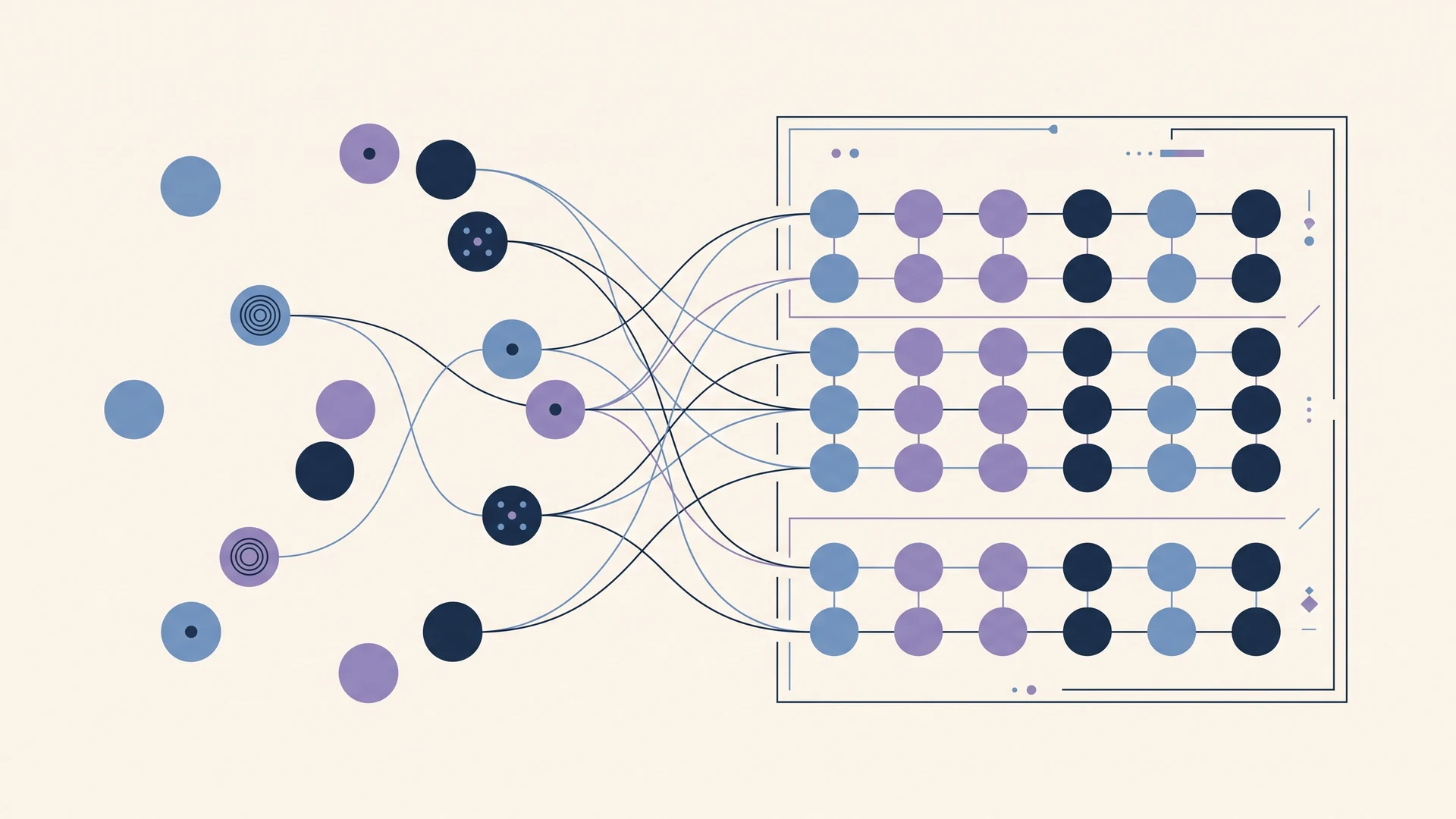
Agent orchestration is the coordination of multiple AI agents, tools, and human steps so they work together on a larger task, including how work is divided, sequenced, shared, and monitored.
A single agent can handle a narrow job. Larger processes often need several agents with different roles, such as one that gathers information, one that drafts a response, and one that checks quality. Orchestration defines how those agents pass work and context to each other, what happens when one fails, and where a person needs to step in. It is often handled by a supervising agent or an orchestration framework.
Agent orchestration is related to traditional workflow automation, but the steps are less fixed because agents can make decisions along the way. That flexibility makes visibility important. A common misconception is that more agents produce better results. Each added agent adds cost, handoffs, and places for errors, so many tasks are better served by one well-scoped agent. Good orchestration makes the whole process traceable, so people can see which agent did what and why.
Key parts
Task routing. Sending each piece of work to the right agent or person.
Shared context. Passing the information each agent needs to do its step.
Error handling. Retrying, rerouting, or stopping when something goes wrong.
Human checkpoints. Pausing for review or approval at defined points.
Observability. Logging what each agent did so people can trace and audit it.