

Most professionals we talk to know they need to get better at AI. What they can't always articulate is where they actually are right now - and that gap between "I should be doing more with AI" and "here's exactly what I need to do next" is where most people get stuck.
The honest truth is that AI readiness is not one-dimensional. It's not a simple spectrum from beginner to advanced. Readiness depends on two things working together: what you know and what you actually do. And those two things don't always move in sync.
We built a simple framework to make that diagnosis clearer.
The Two Axes That Actually Matter
Most maturity models treat AI readiness as a single ladder you climb. We think that misses the point. In our work with business leaders and their teams, we consistently see two distinct dimensions at play:
Knowledge - Do you understand what AI is, what it can do, where it breaks down, and how to think about it critically?
Application - Are you using AI in your actual work, consistently, on real problems that matter to your role?
You can know a lot and do very little. You can use AI every day and still have significant blind spots in your understanding. Crossing these two axes creates four distinct quadrants - and each one tells a different story about where you are and what you need next.
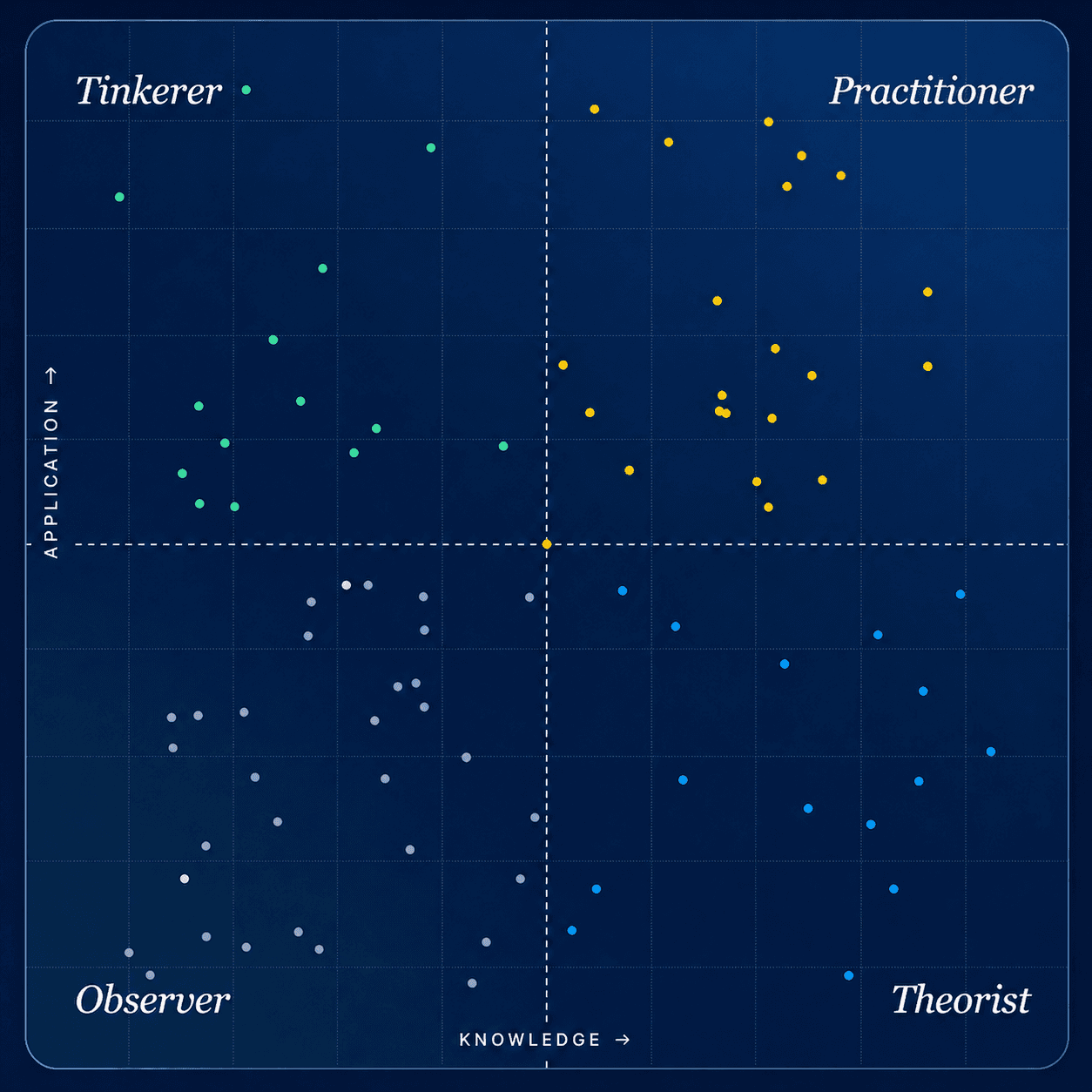
Image 1.0 - Four Quadrants of AI Knowledge
The Four Quadrants
Observer: Low Knowledge, Low Application
If you're an Observer, you're aware that AI is changing things around you. You've seen the demos, read the headlines, maybe watched a colleague use ChatGPT in a meeting. But you haven't made AI a regular part of your work yet, and the gap between what you've heard and what you actually understand feels like it's widening every week.
Here's what we'd tell you: that's not a failure. It's where a significant portion of the working world sits right now. The people who feel most behind are usually closer to the middle of the pack than they realize.
The real risk isn't where you are today. The risk is staying still while the floor moves. The on-ramp is shorter than most people expect. You don't need a course or a certification to start. You need one tool, one real work problem, and 30 minutes. Use it to draft an email, summarize a document, or think through a decision. The understanding follows the doing.
Your next move: Pick one task you're already doing this week and use an AI tool to help with it. Don't optimize. Just start.
Tinkerer: Low Knowledge, High Application
Tinkerers are the most underestimated group in the framework. You use AI regularly. You've built shortcuts around it. You've felt the productivity lift firsthand and probably have a go-to prompt or two that you rely on. But when something goes wrong, when the output is off or the model gives you something useless, you don't have a clear mental model for why.
That's the Tinkerer pattern: high competence in practice, thinner foundations underneath. It's not a flaw. It's how most people learn technology the first time. But it does create a ceiling.
Without the underlying understanding, you'll plateau at the level of tasks you've already figured out. You won't recognize when a different approach would work better, when you're paying for capability you're not using, or when a workflow you've built is more fragile than you think. Closing that knowledge gap doesn't require going deep on technical concepts. It requires understanding a handful of core ideas well enough to connect them to what you're already doing.
Your next move: Pick one thing that confused you recently about an AI output. Look it up. Then go back to a workflow you already use and ask: "Now that I understand this, what would I do differently?"
Theorist: High Knowledge, Low Application
Theorists are the quadrant most likely to feel uncomfortable with their result, because the score surfaces something they already suspected. You've done the reading. You follow the right people. You can hold your own in any conversation about AI and explain the technology at a conceptual level. What you haven't done is build much. Your hands are clean.
This pattern shows up most often in three groups: senior leaders who study AI as part of their strategic responsibilities but don't operate the tools themselves, technical professionals who learned the concepts before building the habits, and advisors who talk about AI more than they apply it. The knowledge is real. It just lives in your head instead of your work.
The fix is uncomfortable but fast. Pick one real project - not a learning exercise, a real deliverable - and commit to using AI as a primary tool to get it done. The first attempt is awkward because applied knowledge feels different from conceptual knowledge. But once you cross that line, your existing understanding compounds quickly. Theorists who make that shift often move into the Practitioner quadrant faster than anyone else, because the foundation was already there. They were one project away the whole time.
Your next move: Identify one decision or deliverable coming up in the next two weeks and commit to using AI as a primary tool to work through it.
Practitioner: High Knowledge, High Application
Practitioners earned this quadrant. You both know and do. You can explain how AI works, you've built things with it, and you've likely already shipped something other people use. You're not impressed by demos because you've seen behind the curtain. You know the limits as well as the capabilities.
If you're here, you're ahead of most business professionals. The organizations that have Practitioners on their teams are the ones seeing real results from AI - not because they have better tools, but because they have people who understand how to use them well.
This isn't a finish line. It's a fork. The Practitioners who create outsized impact aren't the ones who keep accumulating more AI knowledge for themselves. They're the ones who stop being solo power users and start becoming teachers, architects, and change agents for the people around them. That multiplier effect is where the real organizational value lives.
Your next move: Identify one person on your team who would move faster with better AI habits. Teach them one thing this week.
So, Which Quadrant Are You In?
Here's a quick way to locate yourself honestly - not aspirationally:
Reflect on your knowledge. Could you explain to a non-technical colleague what AI can and can't do, and why it sometimes gets things wrong? If yes, you're likely in the high-knowledge half.
Reflect on your application. Did you use AI in your actual work this week - not to experiment, but to get something real done? If yes, you're likely in the high-application half.
Find your quadrant. Where those two answers intersect is your starting point. Not your ceiling.
The goal of this framework isn't to rank people. It's to give you a more useful diagnosis than "I need to get better at AI." Every quadrant has a clear next move - and the right move depends entirely on where the imbalance actually is.
Tinkerers and Theorists need different things. Observers need a different starting point than Practitioners. Generic AI training treats everyone the same, which is part of why most organizations are still reporting gaps even after investing in it.
If you want a more structured read on where you land, we've put together a short self-assessment that walks through both axes and gives you a specific place to start. It takes about five minutes - and the point isn't the score. It's knowing what to do next.