
Key Takeaways
**Challenge:** Many companies confuse UX with UI, focusing on how a product looks rather than how it works, leading to beautiful but unusable software.
**Solution:** UX design uses a human-centered process to ensure products solve real user problems through empathy, prototyping, and testing.
**Strategic Benefit:** Good UX design increases customer loyalty, boosts conversion rates, and ensures development teams build the right features the first time.
**The Process:** Following a research-driven framework—including information architecture and usability testing—minimizes project risk and maximizes ROI.
Beyond Aesthetics: The Strategic Value of UX
What is UX design, and why does it matter for your business? While often confused with simple visual design, User Experience (UX) is the strategic process of ensuring a digital product is intuitive, efficient, and solves a real problem for the user. By centering design on human needs, organizations can increase customer loyalty and significantly reduce development waste.
What is UX Design?
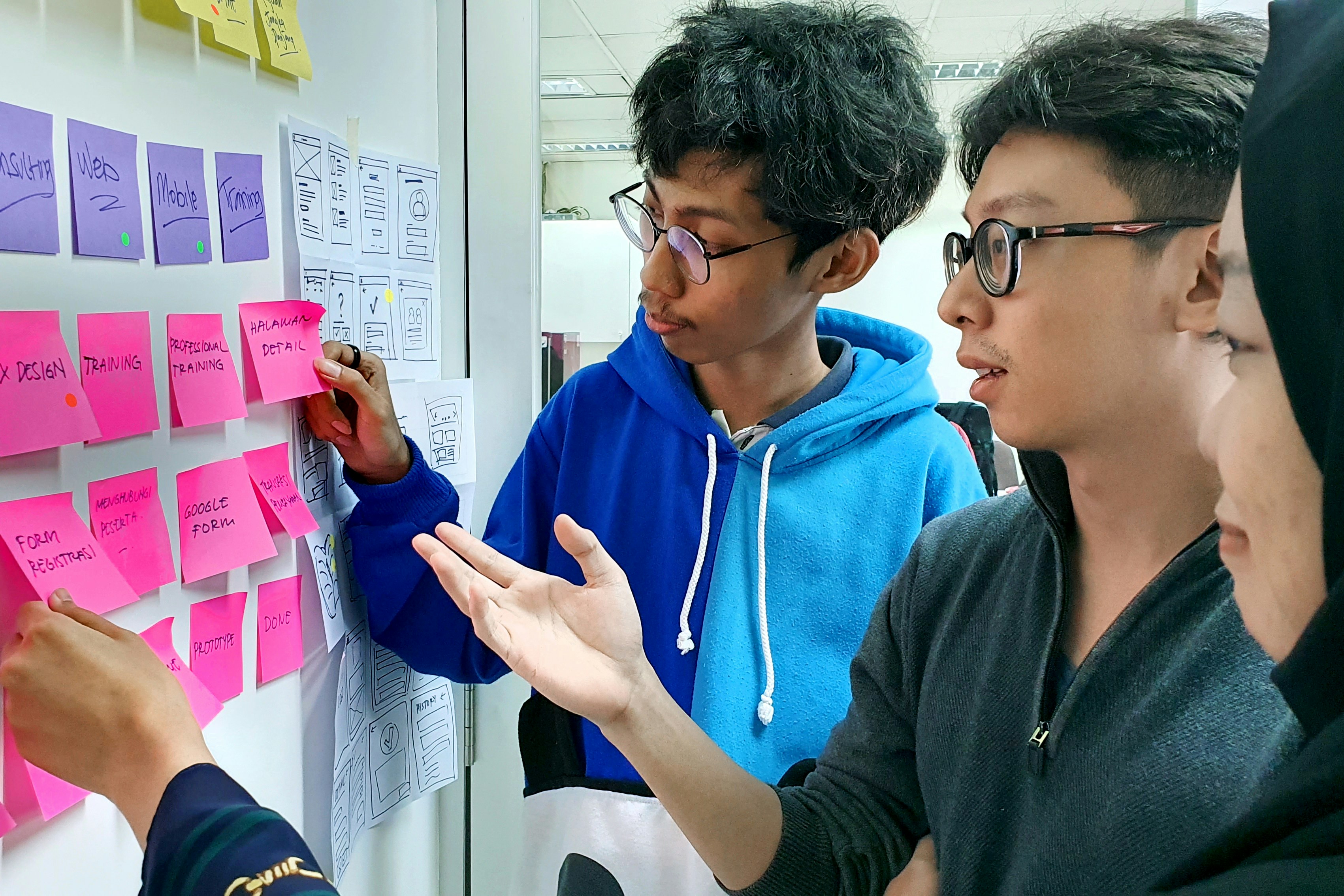
UX design is a multi-disciplinary field that brings together research, psychology, and technology. The main goal is to create a positive experience for users when they interact with digital products, from mobile apps to complex enterprise systems. Unlike graphic design, which focuses on visuals, UX design focuses on the logic, flow, and purpose of the interaction.
The process involves several key stages:
User Research: Understanding the audience’s goals, frustrations, and behaviors.
Prototyping: Creating interactive mockups to visualize the solution.
Usability Testing: Validating those mockups with real users to identify friction points.
Interaction Design: Defining how the system responds to user inputs.
Why UX Design is Critical for ROI
UX design directly impacts your bottom line. A poor experience leads to frustration and high churn rates, while a well-designed product builds trust. This translates into measurable business results: higher conversion rates, lower customer support costs, and increased brand advocacy. When users can accomplish their tasks without friction, they are more likely to return and recommend your service.
In addition to satisfaction, UX design helps teams build faster. By identifying logic gaps in the prototyping phase, organizations avoid the "100x cost" of fixing usability bugs after the software has been fully developed and deployed.
Frequently Asked Questions
What is the difference between UX and UI?
UX (User Experience) is the internal experience a person has as they interact with every aspect of a company’s products and services. UI (User Interface) is the visual and interactive part of that experience—the buttons, colors, and layouts. UX is the "why" and "how," while UI is the "what" and "where."
Why is UX design important for businesses?
Good UX design reduces the cost of customer acquisition and support while increasing retention. When a product is easy to use, customers are more likely to return and recommend it. It also prevents "feature bloat" by ensuring only valuable, validated features are built.
What are the key elements of UX design?
UX design covers several critical areas: User Research (understanding the audience), Information Architecture (organizing content), Interaction Design (how things move and respond), and Usability Testing (validating the design with real people).
How does UX design reduce development costs?
UX design identifies logic gaps and usability issues during the prototyping stage, where changes are cheap. Fixing a problem in code can be 100x more expensive than fixing it in a design file. By validating ideas early, teams avoid building features that nobody wants.
Can UX design improve SEO?
Yes. Search engines like Google prioritize websites that provide a good user experience, measuring factors like page load speed, mobile-friendliness, and time-on-page. Clear navigation and readable content—core tenets of UX—help both users and search crawlers.
What is a "human-centered" design approach?
Human-centered design (HCD) is a philosophy that puts the people using the product at the center of the development process. Instead of building based on technical possibilities, HCD starts with empathy for the user's goals, frustrations, and environment.